Astigmatism and maternal myopia as important factors affecting success rate of DIMS lens treatment

AUTHORS:

Domsa P, Bankó ÉM, Körtvélyes J, Meigen C, Széchey R, Lantos K, Nagy ZZ, Csutak A.

PUBLICATION:

BMJ Open Ophthalmol. 2024 Mar 7;9(1):e001499. doi: 10.1136/bmjophth-2023-001499

Study Purpose

To assess the effectiveness of DIMS (defocus incorporated multiple segments) lenses in attenuating myopia progression within a European paediatric cohort, encompassing a diverse dioptre range from −0.88 spherical equivalent refraction (SER) to −8.25 SER with special focus on investigating the impact of baseline optic parameters as well as parental myopia on the efficacy of DIMS lenses

Overview

Study Design

    Retrospective observational study

# of Eyes/
Patients

62 individuals of Caucasian descent, aged 4–17 years (mean ±SD: 10.21±2.70) with progressing myopia but without ocular pathology, with a range of −0.88 to −8.25 D spherical equivalent refraction (SER) (−3.73±1.56), coupled with astigmatism up to −3.25 D cylindrical

Study Device

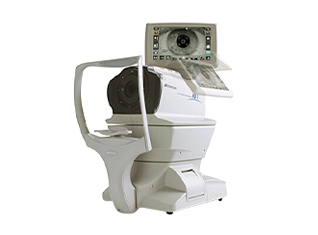
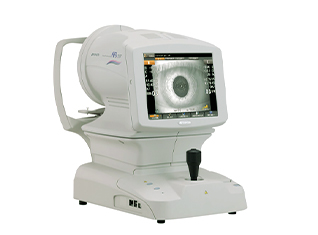
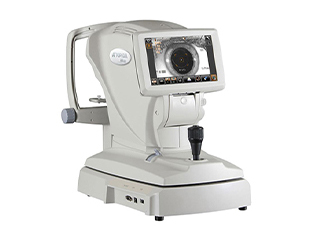
  • Topcon KR-800 (Tokyo, Japan)
  • Topcon Myah (Visia Imaging, Italy)

Outcome Measures

Cycloplegic SER, measured for all participants, and axial length (AL), assessed in a subset of patients, recorded at baseline, 6 months and 12 months

Results

  • The mean (±SE) unadjusted myopia progression (SER) over the 1-year period for the whole study group (N=62) was −0.40±0.05 D, with 31 (50%) patients showing no progression at the end of the 1-year period 
  • The extent of axial elongation was significantly dependent on patients’ age (F(1,27)=10.42, p=0.003), with younger patients showing more pronounced elongation, while the effect of parental myopia only showed a non-significant trend (F(1,27)=3.32, p=0.079 and F(1,27)=2.77, p=0.11 for maternal and paternal myopic dioptres, respectively). Baseline AL had no effect (F(1,27)=0.021, p=0.65)
  • The presence of astigmatism had a significant effect on axial elongation as well (F(1,27)=4.73, p=0.039; 0.20±0.05 mm vs 0.12±0.04 mm for patients with and without astigmatism, respectively)
  • While the axial elongation was also dependent on patients’ age (F(1,182)=46.94, p

IMOvifa reduced measurement time by

39%

Conclusions

• The presence of astigmatism in the group of patients with myopia resulted in larger progression compared with patients with purely axial myopia, potentially diminishing the effects of DIMS lenses in slowing myopia progression • Patients with severe maternal myopia also experienced a significantly more pronounced progression • Younger age was associated with faster progression, which, unlike that of older children, did not slow down after 6 months, achieving larger progression at 12 months


Product Comparison

Rotary Prism
Autorefraction

Keratometry

Auto Measure

Auto Right/Left

Full Auto
Align/Measurement

Rotary Prism
Autorefraction

Keratometry

Corneal Topography

Auto Measure

Auto Right/Left

Full Auto
Align/Measurement

Rotary Prism
Autorefraction

Keratometry

Auto Measure

Size and Weight

Height
XX Inches

Width
XX Inches

Depth
XX Inches

Weight
XX Pounds

Height
XX Inches

Width
XX Inches

Depth
XX Inches

Weight
XX Pounds

Height
XX Inches

Width
XX Inches

Depth
XX Inches

Weight
XX Pounds

Lorem Ipsum

X.X”

360° Rotating
Touchscreen

Control Lever

X.X”

LCD Screen Panel

Wavefront

Control Lever

8.5″

LCD Screen Panel

Lorem Ipsum

EMR

EMR Connectivity

Corneal Aberrometry

Ocular Aberrometry

Pupillometry

Tear Film Assessment

Viewer Software Available

EMR

EMR Connectivity

EMR

EMR Connectivity

The Topcon Healthcare Ophthalmology Solution

Lorem ipsum dolor sit, consectetuer adipiscing elit, sed diam nonummy.

The Topcon Healthcare Myopia Solution

Lorem ipsum dolor sit, consectetuer adipiscing elit, sed diam nonummy.

Fundus Cameras

Lorem ipsum dolor sit, consectetuer adipiscing elit, sed diam nonummy.

Fundus Cameras

Lorem ipsum dolor sit, consectetuer adipiscing elit, sed diam nonummy.