To assess whether the routine use of optical coherence tomography (OCT) by optometrists for detection of glaucomatous changes in the optic nerve and retina increased glaucoma referrals to ophthalmologists
Overview
Study Design
Retrospective
# of Eyes/ Patients
Electronic medical records of 994,461 patients from 195 optometry practices in Australia were included for analysis; 175 practices performed OCT routinely on all patients and 20 practices were without OCT
Study Device
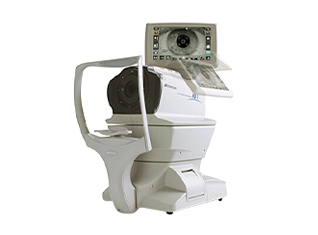
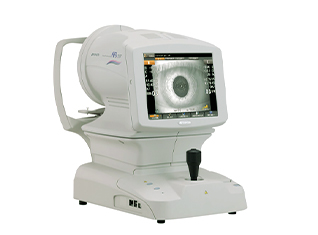
Maestro 3D OCT-1
CenterVue DRS fundus camera
Outcome Measures
Primary: referral to an ophthalmologist for glaucoma assessment. Secondary: rate of false positive referrals
Results
A total of 10,475 (1.1%) were referred to an ophthalmologist for first assessment or review of previously suspected glaucoma
Practices employing routine OCT were more likely to refer patients for glaucoma assessment (n=9719/900651, 1.1%) than were practices without OCT devices (n=756/93810, 0.8%)
Patients of all ages were more likely to be referred from practices with OCTs, and magnitude of relative difference on log scale decreased with age (joint interaction p < 0.001)
Referred patients younger than 40 years old from OCT practices were much more likely to have IOP within the normal range (≤21 mmHg) (66%) compared to younger referred patients from non-OCT practices (47%)
Ophthalmologist feedback was received for 318 of the referred patients in the primary analysis, among which 129 (41%) were diagnosed with glaucoma, 121 (38%) were deemed glaucoma suspects, and no sign of glaucoma was detected in 68 (21%)
The proportion of patients with no glaucoma did not differ by practice OCT status, IOP range, or gender
IMOvifa reduced measurement time by
39%
Conclusions
• Australian optometric practices that employed OCT technology exhibited a 34% higher odds of referring patients for ophthalmologists’ evaluation of glaucoma compared to practices without OCT devices, which suggests the routine inclusion of OCT imaging increases the detection of glaucoma by optometrists. • Adoption of OCT as a routine clinical tool in optometry may reduce the burden of undiagnosed glaucoma and lead to improved visual outcomes. • Further research is needed to ascertain the false positive detection rate.